
Q&A: Your guide to SCENE festival 2026
Let's unpack SCENE Festival 2026...
From Thu 20 Aug, SCENE Festival returns for its 2026 edition.
Which means you can extend your Pride weekend by celebrating the very best in new and classic LGBTQ+ cinema and television.
Along with other venues across the city, HOME is proud to screen a programme of premieres, exclusive previews, much-loved classics, Q&As, panels and parties.
Excited? Us too.
For insider insights and tips to get the most out of the festival, read our Q&A with Gary Williams, one of the key figures behind SCENE. Let’s dive in…
Hi Gary! If you don’t mind introducing yourself…
I'm Gary Williams, I'm Head of Events for CityCo and I head up the programming team for SCENE Festival.
So what’s the history of SCENE festival?
It all started in 2024.
We are funded by the accommodation sector in Manchester, and we were working with Manchester Pride, looking into how we can be extending Pride celebrations in the city and really diversifying the offer.
We wanted to broaden out what we do as a city to celebrate our LGBTQ+ community during that historic time of year that’s been going for over 30 years.
So we asked, “how could we extend that? How can we make it more diverse? How can we complement the parade, the parties, celebrations and protests in and around the village?”
How did you find the curation process for selecting films shown at SCENE?
We spend a lot of time looking at submissions we receive, and picking ones which will be a hit with our audiences.
There are a lot of people who come into Manchester that want to have a good time and celebrate queer joys. That is a big, big part of how we programme the festival.
But also, diversifying it – making sure that SCENE isn't all just big party screenings of fun films. We are full of multitudes as queer people, and the queer filmmaking community presents lots of great stuff.
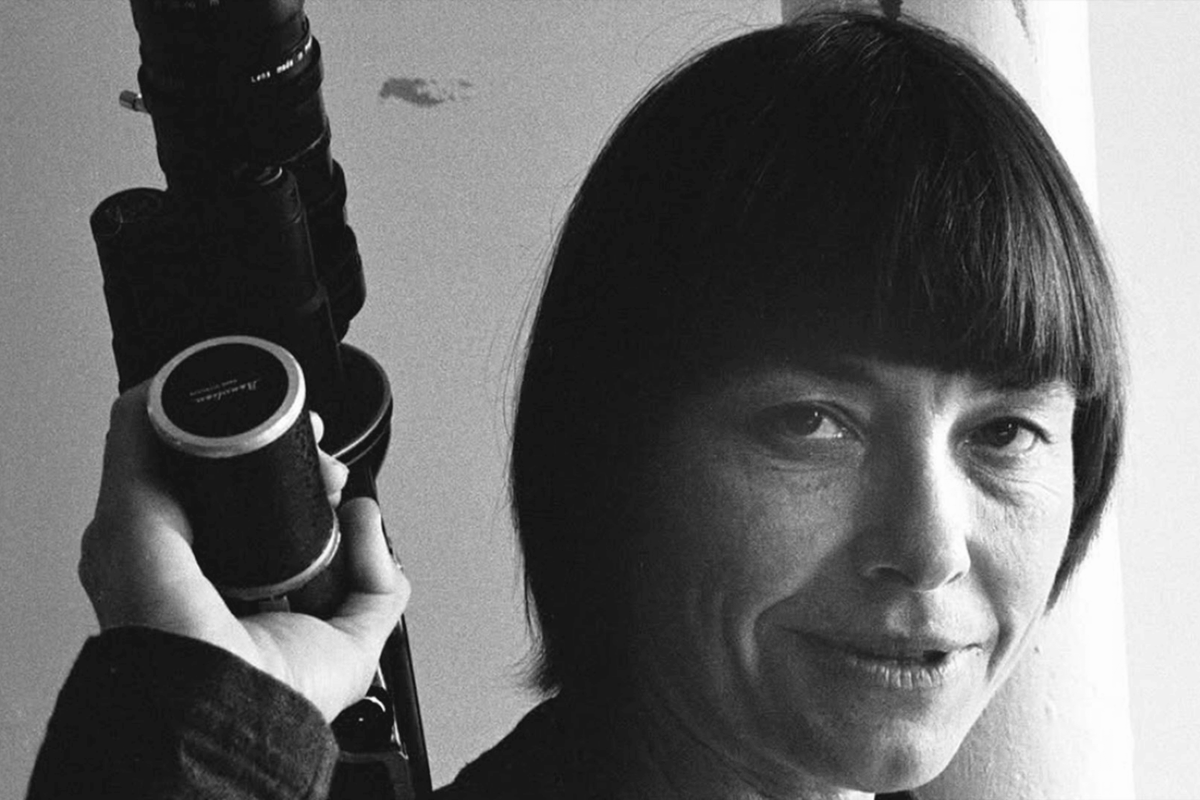
So, you know, whether we've got a lesbian slasher film made by a trans filmmaker or something a bit more serious like Barbara Forever (a documentary celebrating the filmmaker Barbara Hammer, who might be a filmmaker that people haven’t heard of), there are so many multitudes to explore.
Why does humour play such an important role in Queer films?
I think queer people often lean into humour quite a lot, whether it's as a defense mechanism or because they've really tapped into the joy in life. And I think that's a big currency in our community.
There's a lot of hard-hitting topics, and it can be quite tricky being queer. So adding a little bit of humour on top of that is a good way to get the message across and add a little bit of sugar to the medicine.
Any films you instantly knew you’d include on the lineup?
Bouchra is one we knew we were going to screen straight away.
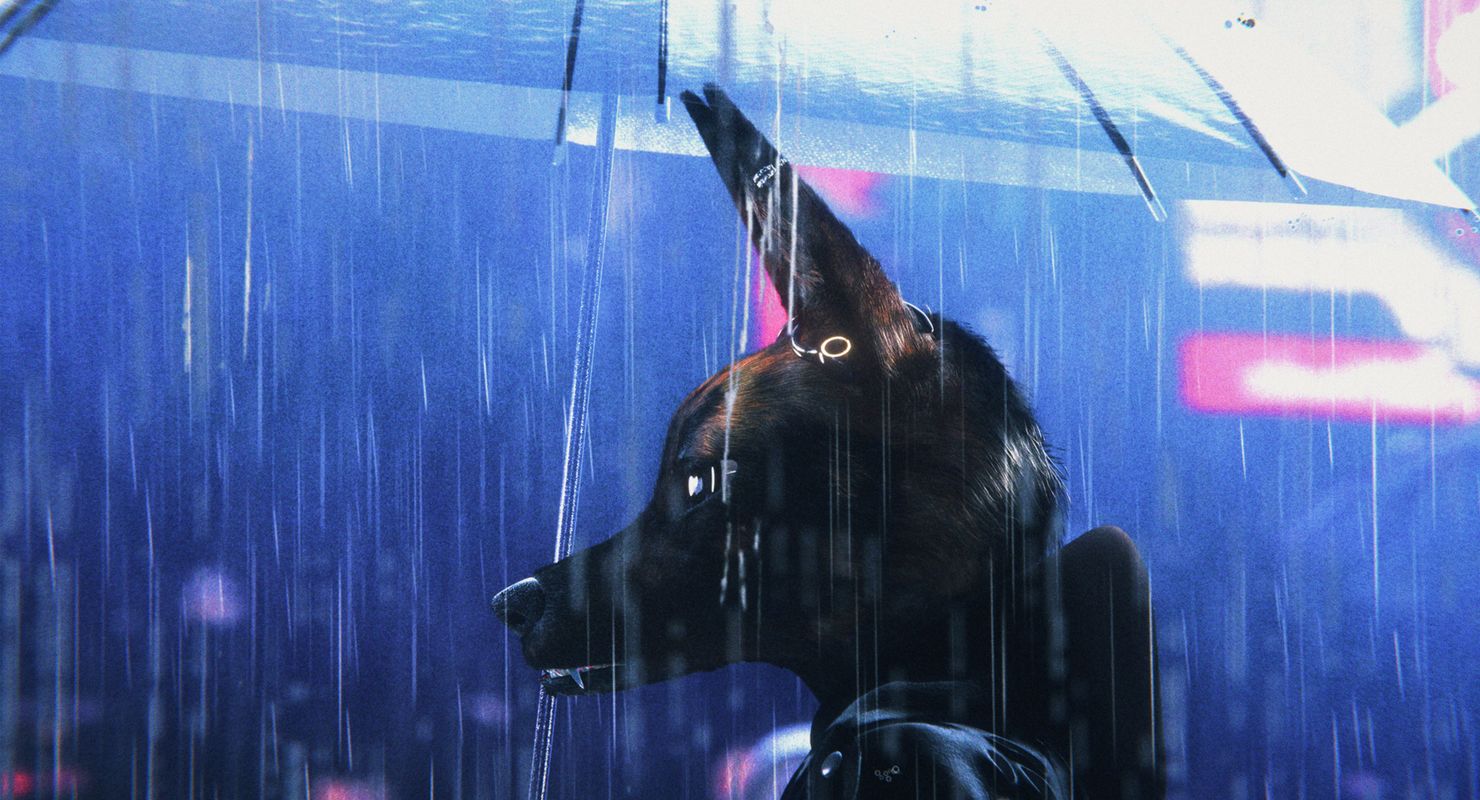
Bouchra is like an animated documentary, a coming-of-age film where all the characters are animals. And it's also told in this really ‘real’ way, as it's made from real conversations within the queer community (using audio recordings), but then it's weaved into this great narrative.
The visuals are added on top of that are noir-y and dark cityscape, but as they’re animals, it’s like Bojack Horseman meets Blade Runner.
So yeah, that one that was just so interesting, both visually and in the way that the story was told. We were like, “yeah, we’re really excited to show this”.
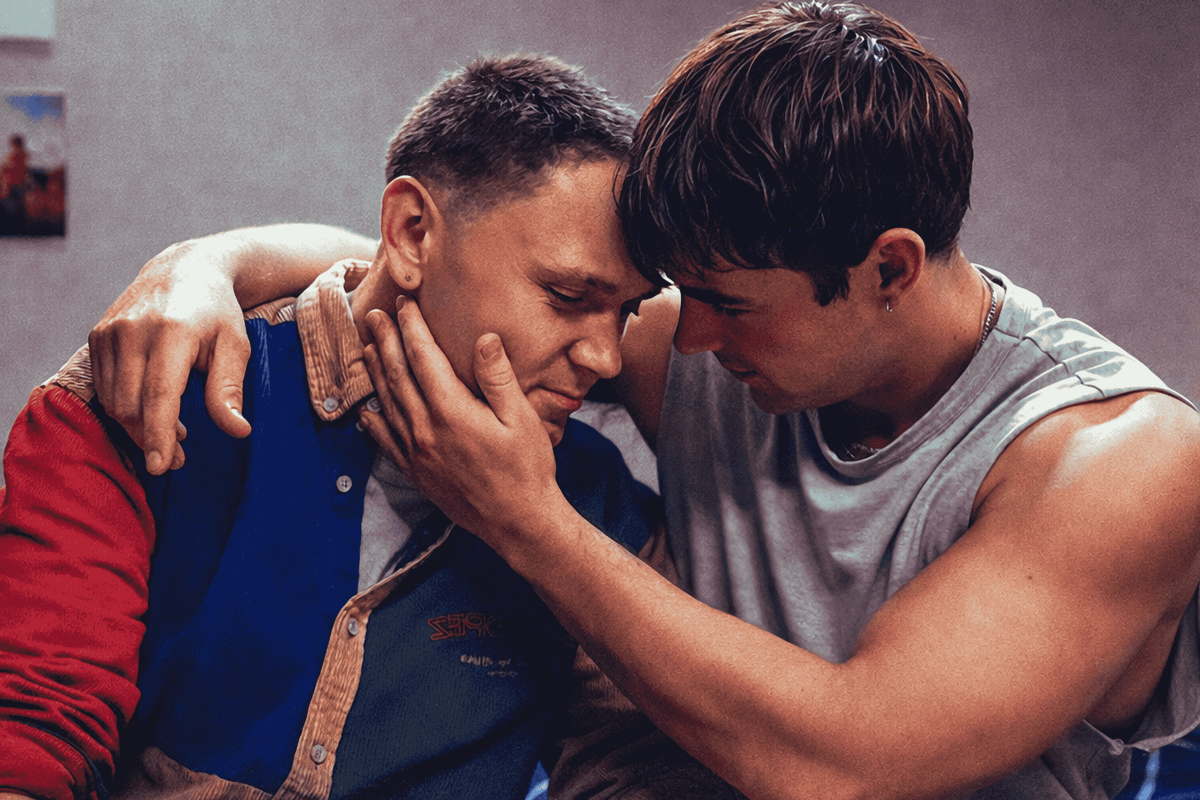
Another obvious one for me was Chatlines, which is made by Lloyd Morgan and Neil Ely. We showed their film Departures at the festival last year, which had a big screening.
Having that big audience screening at the festival really helped their film get picked up and shown in cinemas. It later screened at HOME, had a full cinema release, and was really well received.
Why do you think their (Lloyd Morgan and Neil Ely) filmmaking is making such an impact?
They’re telling the stories that they want to, in really inventive ways.
They dig into what's inside those people that you meet on Canal Street or at that circuit party or in the pub, I think that's what connects. It’s the ingenuity of how they're doing that with a lower budget.
Chatlines is filmed in every single format, film, iPhone, via Zoom, chat roulette sites, everything. And it all comes together, mainly because of how talented they both are at filmmaking, but it also suits how fragmented the characters are.
To shoot films quickly, they’re using forms of technology we already have to hand.
It means that, in two years, they've released two films. So, they're building up an audience of people who want to go and see what they're doing next. And they've got really big ideas – they're not just remaking Departures, they’re venturing into new genres, like sci-fi.
I’m so interested to see what these guys will be doing on a bigger scale.
Why is it an exciting time for queer filmmaking in 2026?
So of course, we’re screening the new Gregg Araki film (I Want Your Sex) at the festival, who’s known for his pioneering role in the nineties “New Queer Cinema” movement. It will be interesting to see how he’s updated his style in his new film.
But beyond that, we’re also now seeing an almost “New New Queer Cinema”, where we have newer filmmakers who aren’t afraid to play around with genres.
We have Jane Schoenbrun who plays with horror, or in Chatlines, we see a blend of sci-fi and romance in a way that’s very DIY and low budget – all shot through Zoom and things like that.
It’s like “who cares about sticking to one genre, let’s just reclaim all genres and just go for it” is how queer filmmakers are attacking film at the moment.
Why would you say SCENE is important – for the city and for the community?
So I really enjoyed Russell T Davis talking about our festival last year.
He was saying that every city has a football team that they’re really proud of, and that every city should have a queer film festival that they are really proud of, too.
Manchester has a big audience of fans and people who love film and TV. So it's really important to feed that audience.
Equally, it’s also such a hotbed for talent.
So firstly, it’s about incorporating that talent in the festival, and secondly, to be inspiring them into making their own stuff – by seeing other creators in the industry, sparking creativity within queer communities.
Are there any films on that line up that were made in Manchester?
Chatlines is Manchester made.
We're always keeping our ear to the ground for Northwest talent who are making queer film and TV. Obviously, we're showing Tiptoe and It's A Sin, which were made and filmed in Manchester, as part of the festival.
Last year, we actually filmed part of the short film Condensation (screening this year) at the festival.
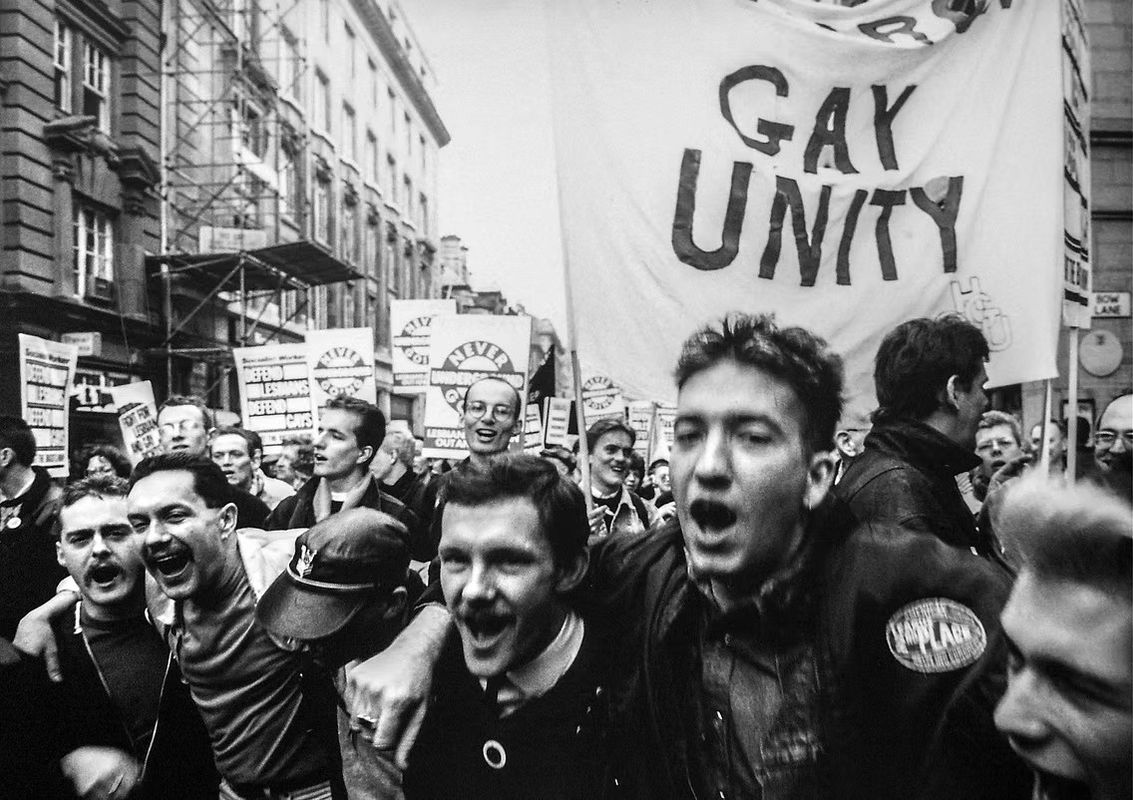
So filmmaker Joshua Val Martin created a big cabaret event that replicated the post-demo party after the famous Section 28 march that took place here in Manchester, and everybody came dressed up in outfits from the decade and danced to music.
He uses fragments of that footage in his short film (Condensation) which you can catch this year.
Amazing, so SCENE festival goers from last year will feature in this year’s lineup?
Yes, so Joshua Val Martin has created the magical realist short film Condensation*.
(*Set in 2010 Manchester, Condensation follows a fresher wanting to attend the LGBT Society, but inherited silence and half-heard histories, born of Section 28, gather around him as a literal cloud.)
This was funded by a National Lottery Heritage Fund called Protest, which has all been about capturing responses to and histories of the Section 28 march. This was the biggest LGBTQ+ march in UK history, in 1988. After the march, protesters gathered to dance and protest.
Josh’s film Condensation is all about capturing the stories from that, but then also from people who weren't there, and how it might have impacted people's lives – whether they're aware of it or not.
To incorporate scenes of the post-march parties and protest, Josh filmed scenes at SCENE festival last year. We transformed Fairfield Social Club into the 1988 post-demo party, and you can see that footage in Condensation.
Do we see dance and music play a big role in the lineup?
We’re showing Queer as Punk, which is a really great queer documentary about a Malaysian punk band that has a trans masc lead singer. They were outlawed and banned from playing, so they have to go around wearing sort of full body suits to hide their identity.
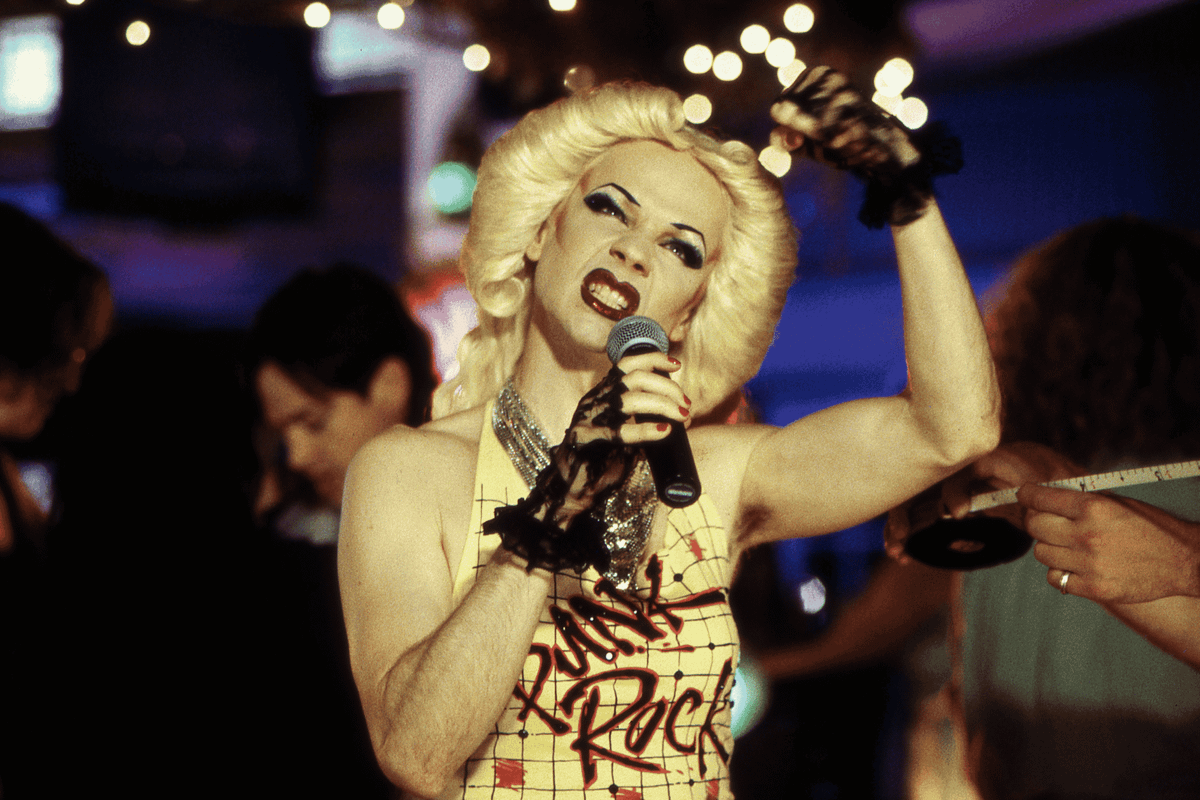
We’re also showing Hedwig and the Angry Inch, which is one of the greatest musicals of all time, as a queer rock odyssey that's celebrating 25 years.
Over the years, we’ve shown many films about music and queer musicians. I think that queer people with guitars is super punk, and Queer with a capital Q.
So does Hedwig and the Angry Inch still resonate 25 years later?
So 2001 is a very distant memory. And to have a film that even was talking about gender identity and somebody transitioning to become their real self was a big thing back then.
I personally think the good thing about Hedwig and the Angry Inch is that it was made by John Cameron Mitchell, who is one of the most intelligent, soulful, and articulate writers.
Whenever you hear him speak about the film, he isn’t just letting the film sit in aspect. He reframes it and thinks about what he would do now, and what would be different about it. So obviously it is an old film, but I think also because he's so smart, he's almost ahead of the game in the way that he's talking about and thinking gender identity and transness and otherness.
I think that's what the film’s actually about – how you view yourself as “other” and become the best version of yourself.
[This special 25th anniversary celebration will feature in-screen performances from David Hoyle, Bonnie Ann Clyde and Sam Buttery.]
Do we get a glimpse into LGBTQ+ stories from around the globe?
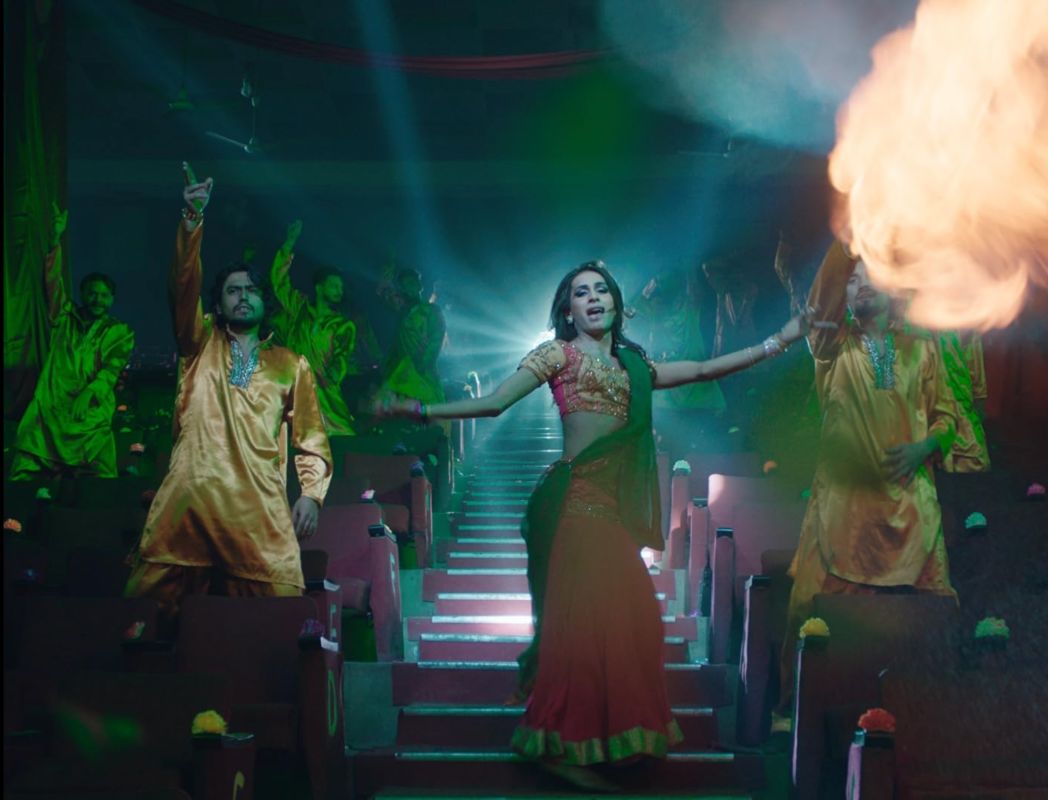
So we're working with Aks: Trans Stories Across South Asia. Their festival tours around the world, and is mainly focused in Pakistan and Denmark. They've come to Manchester before as well.
This year, along with their screening of short films at HOME, they've also taken over the outdoor screen (outside HOME in First Street) to screen the Bollywood film Devdas.
As somebody who’s very into camp canon, and the sort of films that queer people respond to, and almost claim as their own, it’s interesting to see how Devdas has become the equivalent of, say, Hairspray. It’s been adopted and loved by the queer community in South Asia, which I find really interesting.
Do we see conflicts between nationality and sexual identity in any films?
So Bouchra is about a Moroccan coyote who lives in New York (which is like, “yes, I'm going to watch that film!”). It centres on Bouchra’s relationship with her mother who lives back home in Casablanca.
Bouchra felt they've had to move away to New York in order to be themselves and then tries to communicate with their parents back home about who they are, in an attempt for acceptance.
This is potentially culturally specific, but at the same, it's very universal.
While there’s a lot of depth in that story is around nationality and their cultural identity, I think the point of this film is that everybody is just a different animal. Literally, it doesn't matter if you are a coyote and I'm a frog.
You’re hosting a Q&A for Blue Film – what are you hoping to ask actor Kieron Moore?
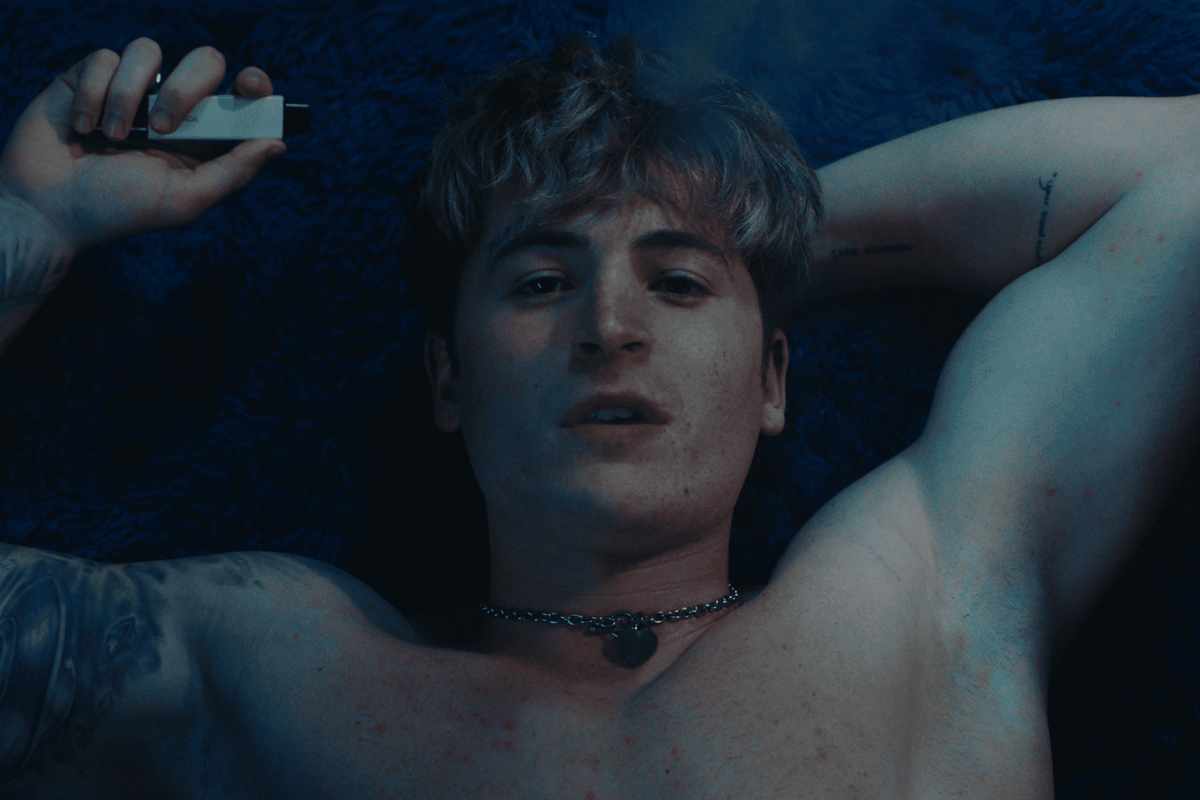
So Blue Film is ultimately a two-hander with Kieran Moore (Manchester based actor on the rise from Netflix TV show Boots) as a camboy, who visits a man's house for a big tip of $50,000, which he can't refuse. He ultimately finds that maybe he should have refused.
The film is seen as quite controversial. It’s very much about how your past comes back, and how that might impact you as an older person. I think there’s lots to dig into that half hour that I’ve got to ask Kieran questions.
He also has an absolutely impeccable American accent. So I’d love to know how he manages that.
If you could only watch one film on HOME’s lineup, what would it be?
You can’t miss I Want Your Sex by Gregg Araki.
It’s been over a decade since he’s had a theatrical film released. So it’s really exciting to see iconic directors like Gregg Akari come back. As one of the defining voices of the nineties and a pioneer in queer filmmaking, I can’t wait to see what his take is now.
It’s like how we all want a new John Waters film, or a new Pedro Almodóvar film (like Bitter Christmas), so that we can see their current take, and how they’ve adapted their style and commentary as times change.
There’s also Low Rider by Campbell X.
Stud Life was his first film, and it was such a big hit and really well known in the community.
So the fact he’s back, and creating a new film exploring queer life, is really exciting. Low Rider isn’t just about sexuality and romance, it’s also about Campbell X looking at heritage. The story is about a girl who goes back to South Africa to reconnect and find her father.
Like the previous film, it goes a little bit deeper into their cultural identity, which is really interesting.
And finally, what do you hope visitors get out of this year’s lineup?
I really want people to feel a relationship with the festival.
For it to be something for everybody can feel proud of, for people to tell their mates to come up a few days early for Pride, and go and watch that film that sounds weird. Go watch that Moroccan coyote-animated-lesbian-coming-of-age-story about cultural identity.